Overview
Cryptocoryne wendtii is endemic to Sri Lanka, where it grows in slow-moving streams and seasonally flooded areas, often partly shaded by forest. It belongs to the arum family and is one of more than 60 species in the genus Cryptocoryne, affectionately known as “crypts”.
The plant forms a rosette of lance-shaped leaves with wavy or crinkled edges. Colour depends on variety and lighting, ranging from fresh green to deep reddish-brown. It spreads by underground runners, slowly turning a single plant into a dense, natural-looking stand.
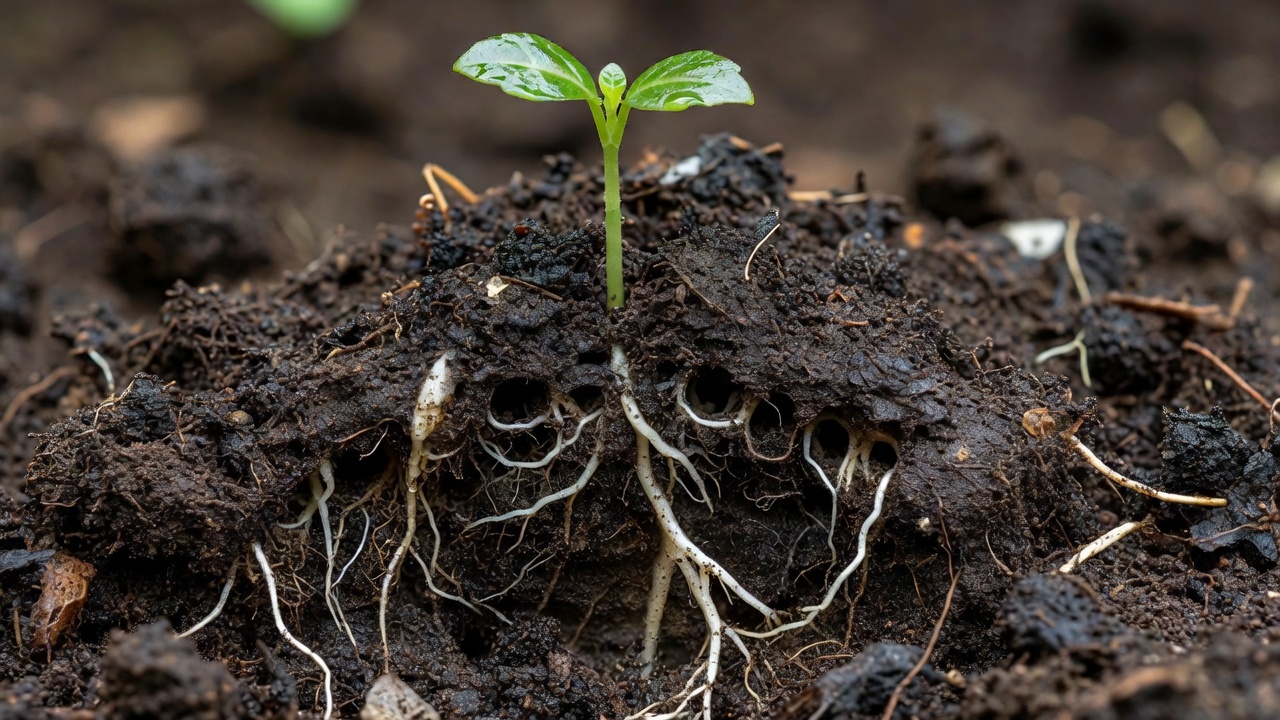
How to Plant Crypt Wendtii
- Remove rock wool and separate the plant into individual crowns if the pot contains several.
- Plant in the substrate so the roots are covered and the base of the leaves sits at the surface.
- Place a root tab nearby, especially in sand or inert gravel, and replace every three to four months.
- Space plants around 5–10 cm apart; they will fill gaps through runners.
Understanding “Crypt Melt”
Crypts are famous for melting: their leaves can suddenly turn translucent and disintegrate. This is a stress response to changes in water parameters, light, temperature or a move from emersed farm growth to underwater conditions. It looks alarming, but the roots and rhizome usually survive.
Lighting, Nutrients & CO₂
Low to medium light suits Crypt wendtii perfectly; it is one of the best plants for shaded areas under wood or taller plants. Higher light intensifies red and brown tones. Root tabs or nutrient-rich aquasoil matter more than liquid fertiliser. CO₂ is not required, and stable conditions are more important than high-tech equipment.
Growth, Maintenance & Propagation
Growth is slow at first but accelerates once the root system is established after a couple of months. Trim old or damaged leaves at the base. Propagation happens naturally: runners produce new plantlets that can be separated with scissors and replanted once they have a few leaves and roots of their own.
Common Problems
| Symptom | Likely cause | Solution |
|---|---|---|
| Leaves dissolve suddenly | Crypt melt from a change in conditions | Remove dead leaves, keep parameters stable, be patient. |
| Very slow growth, pale leaves | Nutrient-poor substrate | Add root tabs beneath the plant. |
| Leaves stretch tall and thin | Too little light | Increase light slightly or move to a brighter spot. |
| Plant uprooted repeatedly | Digging fish or loose substrate | Anchor with small stones until roots establish. |
Fish & Shrimp Compatibility
Crypts are outstanding in community tanks with tetras, rasboras, gouramis, bettas and corydoras. Bottom-dwellers such as kuhli loaches love sheltering under the leaves. Shrimp and snails are completely safe. Avoid large digging cichlids and goldfish, which may uproot young plants before their roots anchor firmly.
Popular Varieties
- ‘Green’ — fresh green leaves, compact; great for nano and mid-ground.
- ‘Brown’ — olive-bronze leaves with a natural, warm tone.
- ‘Red’ — reddish-brown leaves with a burgundy underside.
- ‘Tropica’ — strongly crinkled, hammered-textured leaves; very robust.
- ‘Mi Oya’ — taller, with brown, textured leaves and pinkish undersides.
Pros & Cons
Pros
- Thrives in low light
- Wide pH and hardness tolerance
- Attractive colour variants
- Spreads into natural clumps
- Long-lived and low-maintenance
Cons
- Prone to melting after changes
- Needs root tabs in inert substrate
- Slow to establish
- Can be uprooted by diggers
Buying Tips & Typical Pricing
Tissue-culture cups often contain several small plantlets and tend to melt less than potted, emersed-grown plants. Look for firm white roots and leaves without holes or decay.
| Format | Typical retail price (approx.) | Best for |
|---|---|---|
| Potted plant | $5–12 / £4–9 | Most tanks |
| Tissue-culture cup | $7–12 / £6–10 | Multiple plantlets, low melt |
| Mature clump | $15–25 / £12–20 | Instant mid-ground |
Further Reading
Learn how stable conditions prevent melt in our first planted aquarium guide, and how crypts form the understory in nature-style layouts.