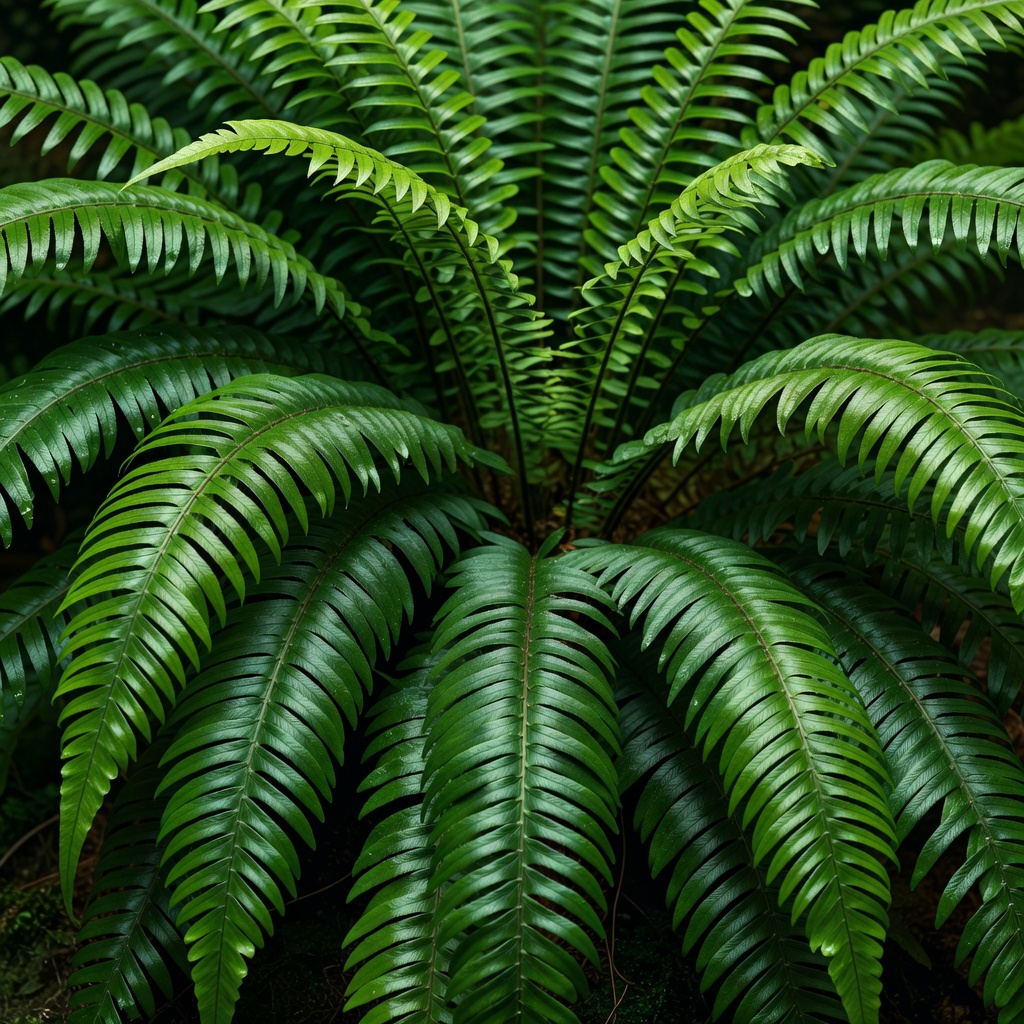
Microsorum pteropus
Java Fern
The undisputed beginner champion. Tie it to driftwood, ignore it for weeks, and it keeps producing tough, textured fronds — even in tanks with plant-eating fish.
- Very easy
- Low light
- Attach to wood
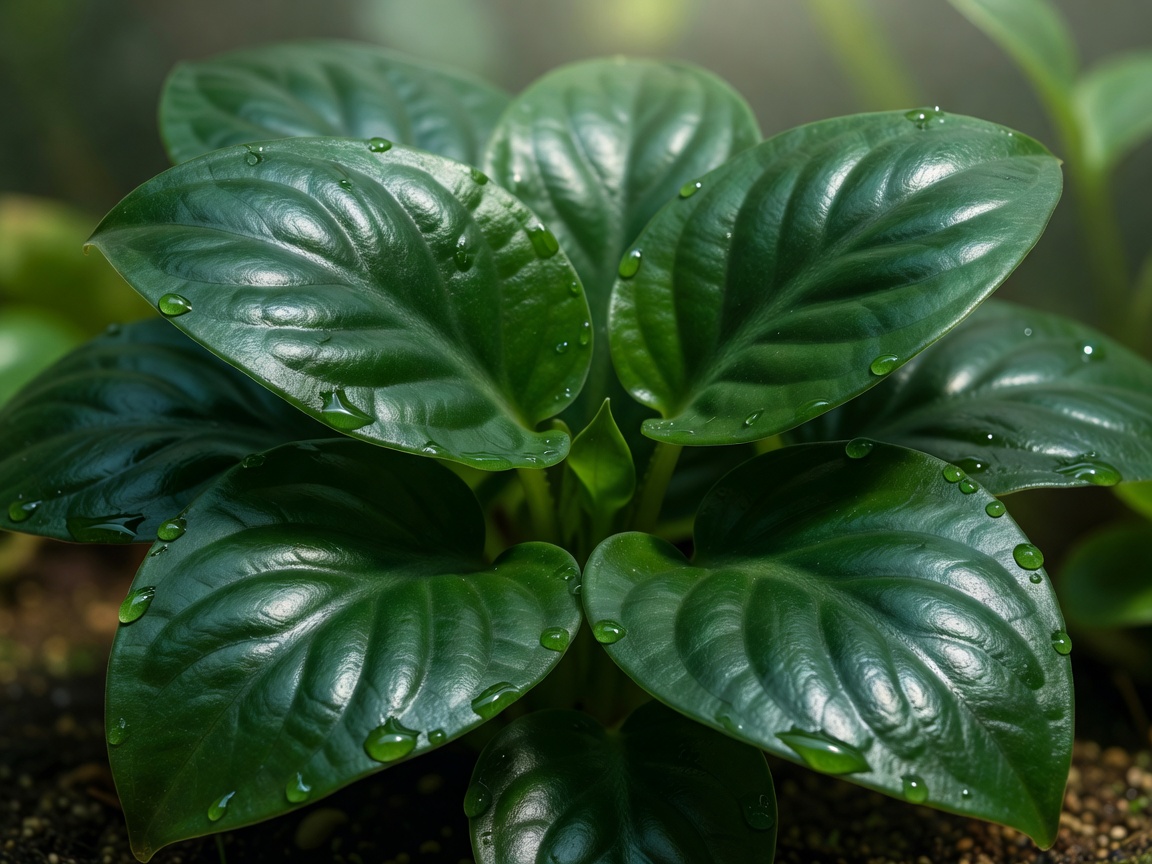
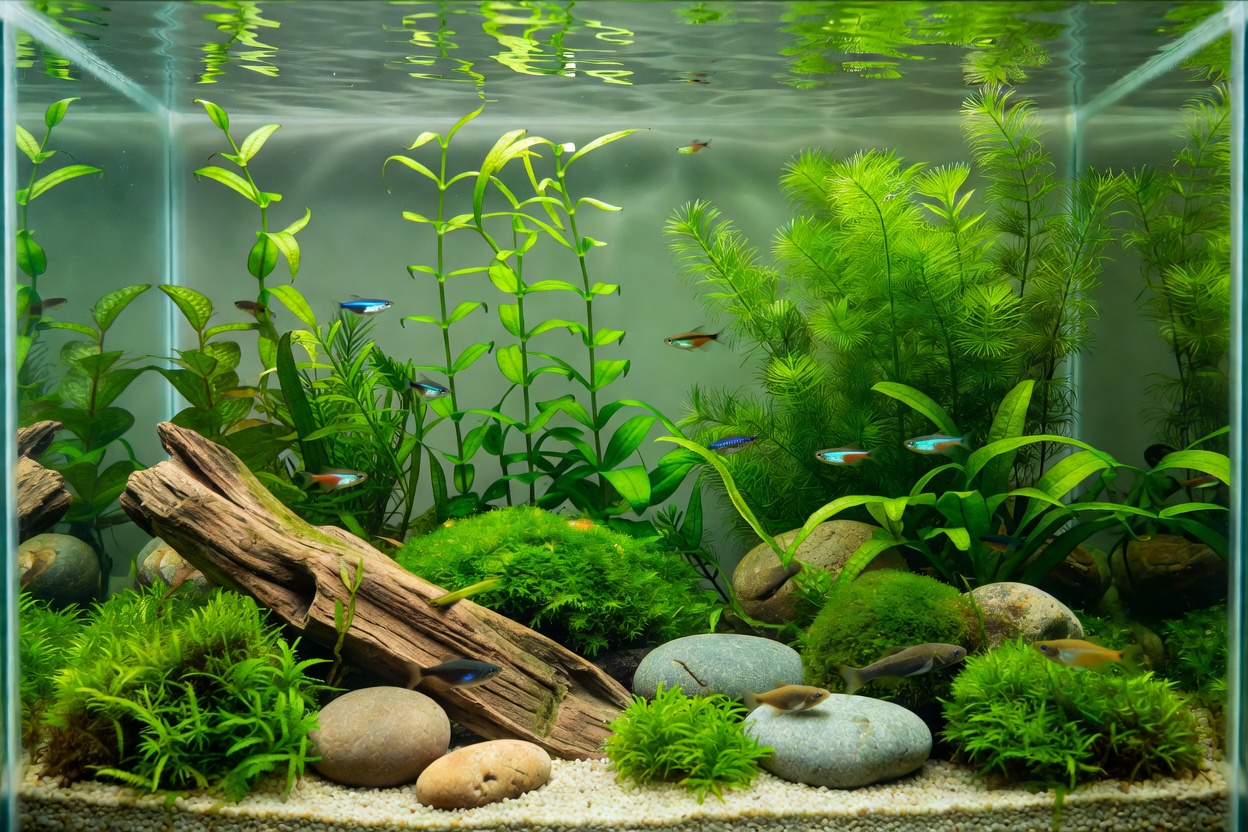
Five proven, forgiving species that turn a glass box into a thriving jungle. Expert care profiles, honest pros and cons, and side-by-side comparisons — written for first-time aquascapers and seasoned hobbyists alike.
Chosen for hardiness, beauty, availability and compatibility with fish and shrimp. Tap any card for a complete care profile.
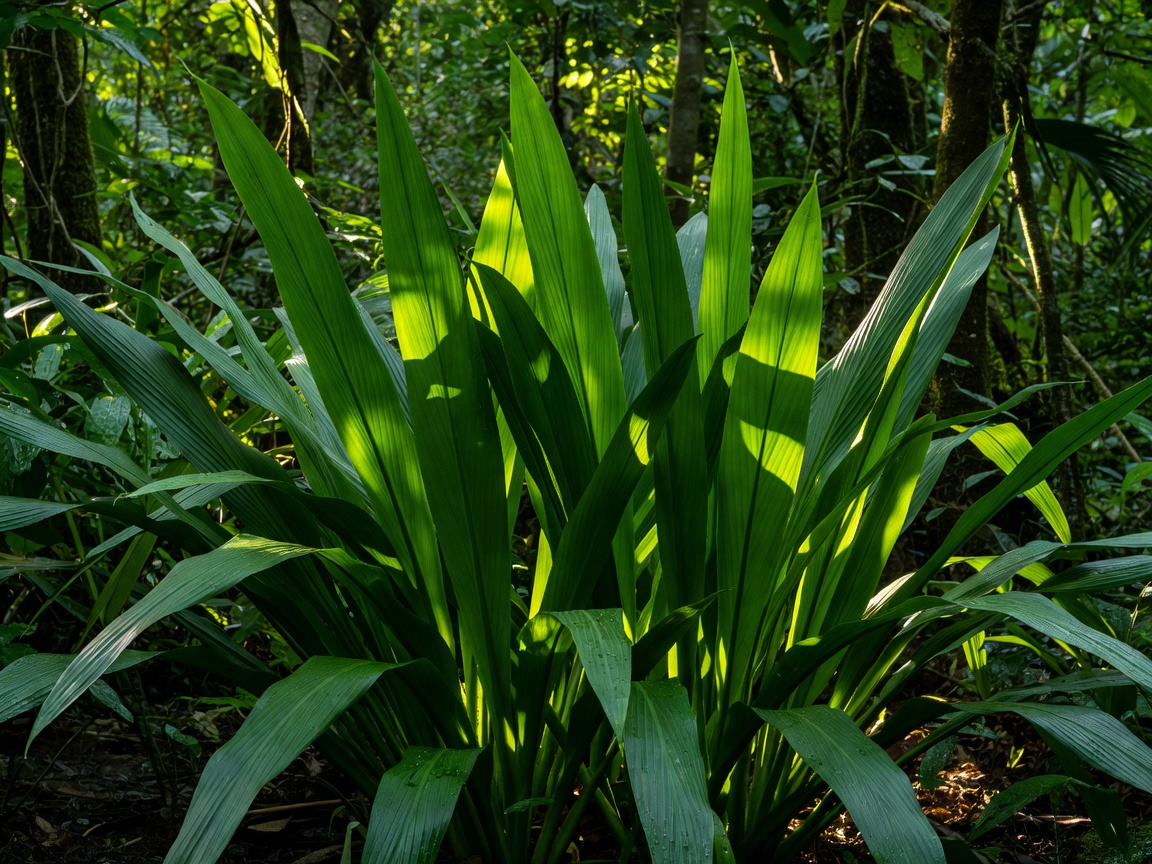
Microsorum pteropus
The undisputed beginner champion. Tie it to driftwood, ignore it for weeks, and it keeps producing tough, textured fronds — even in tanks with plant-eating fish.
Anubias barteri var. nana
Compact, glossy and practically indestructible. Perfect for nano tanks and the go-to choice for aquariums with African cichlids or goldfish.
Echinodorus grisebachii ‘Amazonicus’
The classic centrepiece. A bold rosette of long, bright-green leaves that fills the background of medium and large tanks with authentic jungle drama.
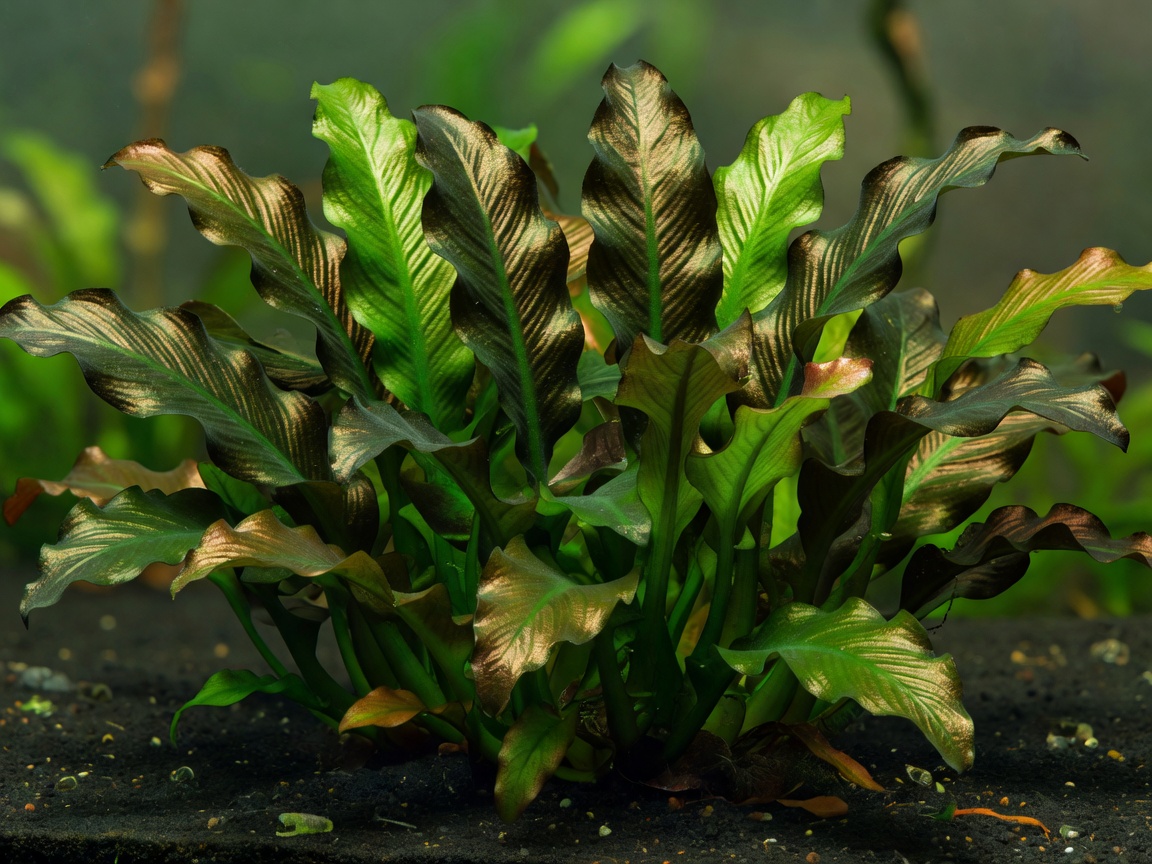
Cryptocoryne wendtii
Wavy leaves in green, bronze and red tones. Slowly spreads into natural clumps and copes well with modest light and a wide pH range.
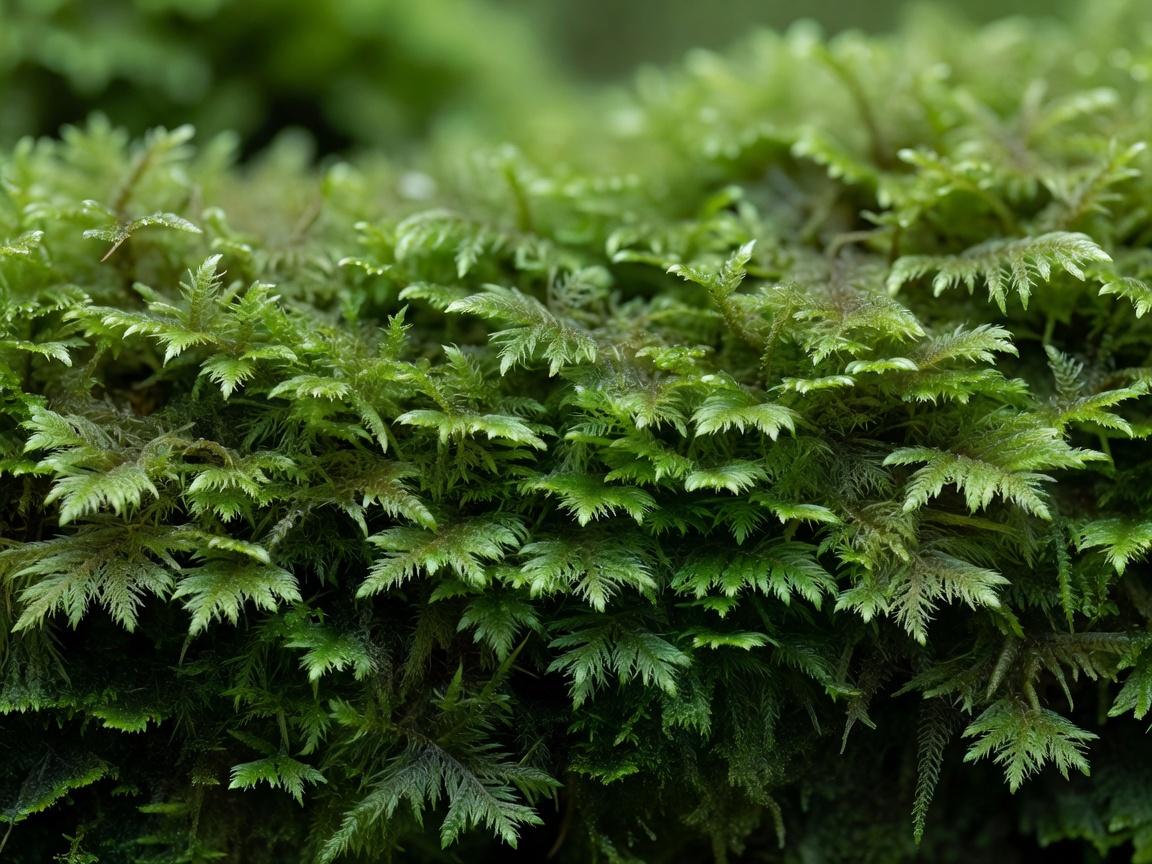
Taxiphyllum barbieri
A soft green blanket for wood, rocks and walls. Shrimp graze it endlessly and fish fry hide in it — the most versatile texture in aquascaping.
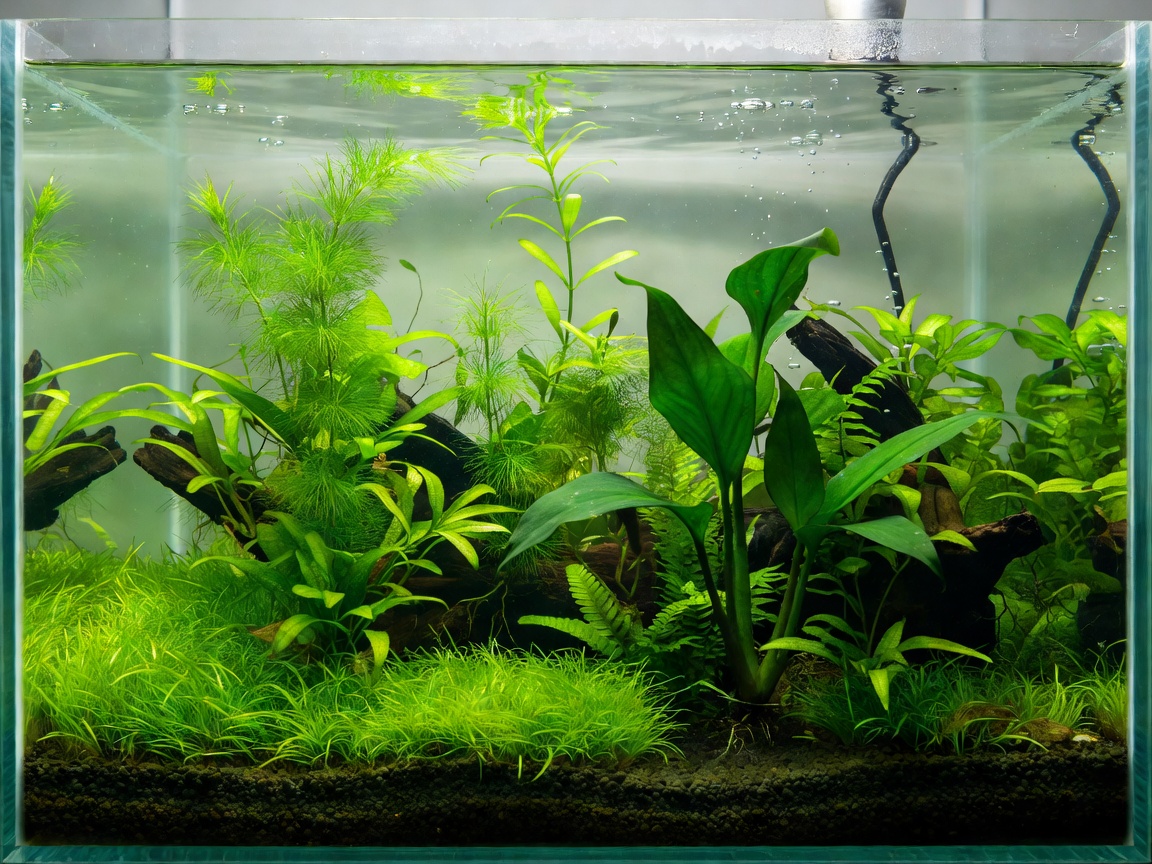
Combine all five
A step-by-step walkthrough for building a planted aquarium around these five species — substrate, cycling, lighting schedules and planting layout.
Select a plant to see its difficulty, lighting, growth rate, CO₂ needs, maintenance level and compatibility with fish and shrimp.

Microsorum pteropus
A rhizome plant that grows on wood and stone instead of in the substrate. Tough leathery leaves shrug off low light, soft or hard water and most plant-nibbling fish.
Fish & shrimp: excellent. Bitter-tasting leaves are usually ignored by goldfish, cichlids and silver dollars; shrimp graze biofilm on the fronds.
Full Java Fern profile →Every requirement side by side, so you can match plants to your tank, your light and your livestock.
| Plant | Difficulty | Light | Growth | CO₂ | Temp | Height | Placement | How to plant |
|---|---|---|---|---|---|---|---|---|
| Java FernMicrosorum pteropus | Very easy | Low – medium | Slow | Not required | 20–28 | 15–35 cm | Mid / background | Tie or glue rhizome to wood or rock |
| Anubias NanaAnubias barteri var. nana | Very easy | Low | Very slow | Not required | 22–28 | 5–10 cm | Fore / mid-ground | Attach rhizome; never bury it |
| Amazon SwordEchinodorus grisebachii | Easy – moderate | Medium | Medium – fast | Optional | 22–28 | 30–50 cm | Background | Plant in rich substrate + root tabs |
| Crypt WendtiiCryptocoryne wendtii | Easy | Low – medium | Slow – medium | Not required | 20–28 | 10–30 cm | Mid-ground | Plant in substrate + root tabs |
| Java MossTaxiphyllum barbieri | Very easy | Low – medium | Medium | Not required | 15–28 | 2–10 cm | Any surface | Tie, glue or sandwich in mesh |
Three proven combinations for common tank sizes. Each one runs on a basic LED light and an all-in-one liquid fertiliser.
A stone wrapped in Java moss, two portions of Anubias nana tied to a small branch, and a clump of Crypt wendtii ‘Green’ at the front. Ideal for cherry shrimp and a few snails.
Driftwood planted with Java fern and Anubias, a mid-ground of brown and green Cryptocoryne, and moss on the rocks. Pair with tetras, rasboras and corydoras.
One or two Amazon swords as the centrepiece in nutrient-rich soil, Java fern “Windelov” on tall roots, Crypt wendtii ‘Red’ for warmth and a moss-covered foreground stone.
In-depth, step-by-step articles that explain the why behind every planted-tank decision.

Substrate choices, hardscape, the nitrogen cycle, planting order and a realistic first-month maintenance schedule.
Read the Setup Guide
PAR, photoperiods, liquid carbon versus pressurised CO₂, and how to balance nutrients so plants win and algae loses.
Read the Science Guide
The history, rules and plant lists behind the world’s most influential aquascaping styles — and how to apply them.
Explore Aquascaping StylesJava fern and Anubias nana tie for first place. Both tolerate low light, need no CO₂, grow on decor rather than in the substrate and are ignored by most herbivorous fish.
None of our top five require it. Pressurised CO₂ speeds growth and improves colour in high-light tanks, but low-tech tanks with modest light grow these species perfectly well.
Yes. All five are shrimp-safe. Rinse new plants or buy tissue-culture cups to avoid pesticide residues and hitchhiking snails or algae.
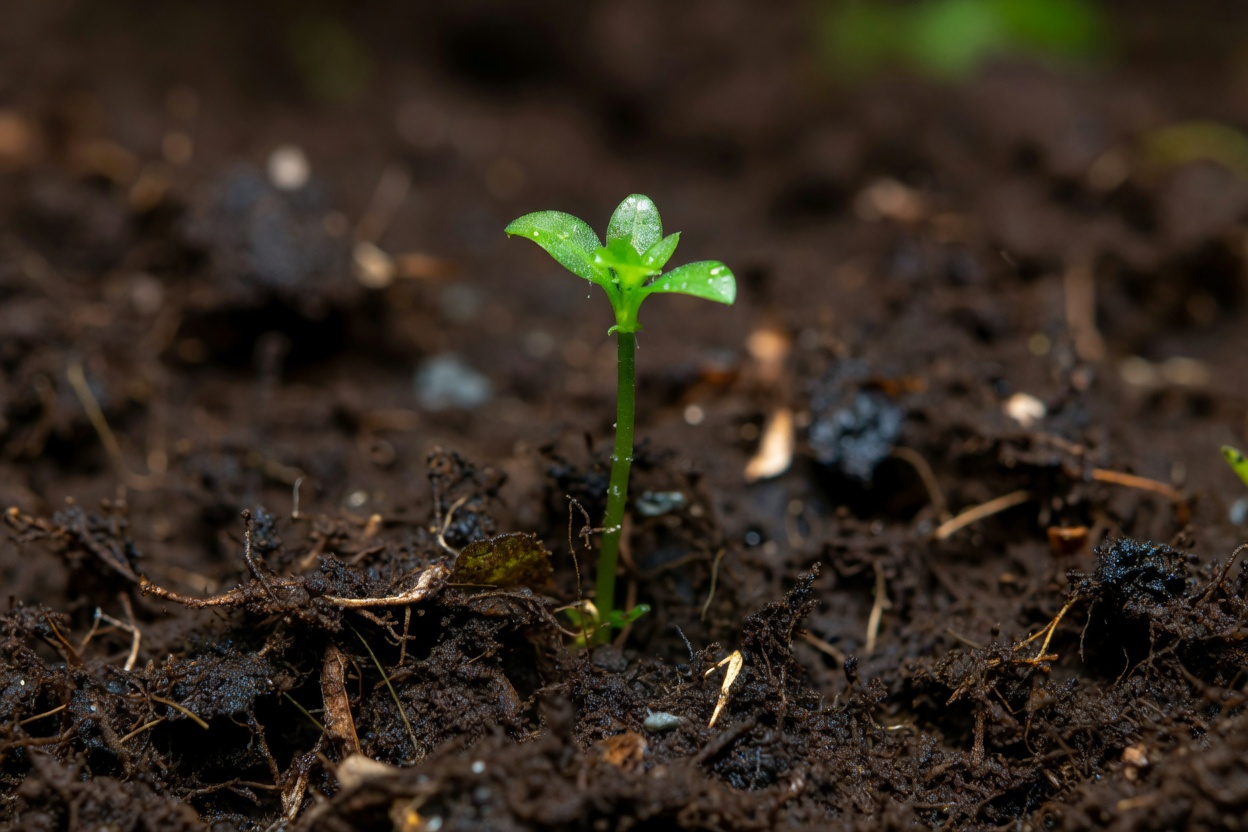
Many plants are farmed with their leaves above water. After planting, they replace those emersed leaves with submerged ones. Trim the melting leaves and new growth usually appears within two to four weeks.
Plant heavily from day one — roughly 50–70% of the floor area. Dense planting absorbs excess nutrients and dramatically reduces the risk of algae in a new tank.
Our editors answer reader questions about plant problems, aquascape layouts and livestock compatibility.